Unlocking Vibrant Health: The Transformative Power of an Anti-Inflammatory Diet

Discover the secrets of an anti-inflammatory diet for optimal health! By adopting a nutritional approach that is kind to your body, you will not only be able to positively influence your well-being, but also prevent many diseases. Immerse yourself in this universe where food becomes your ally for a life full of vitality and serenity.
Foods to favor
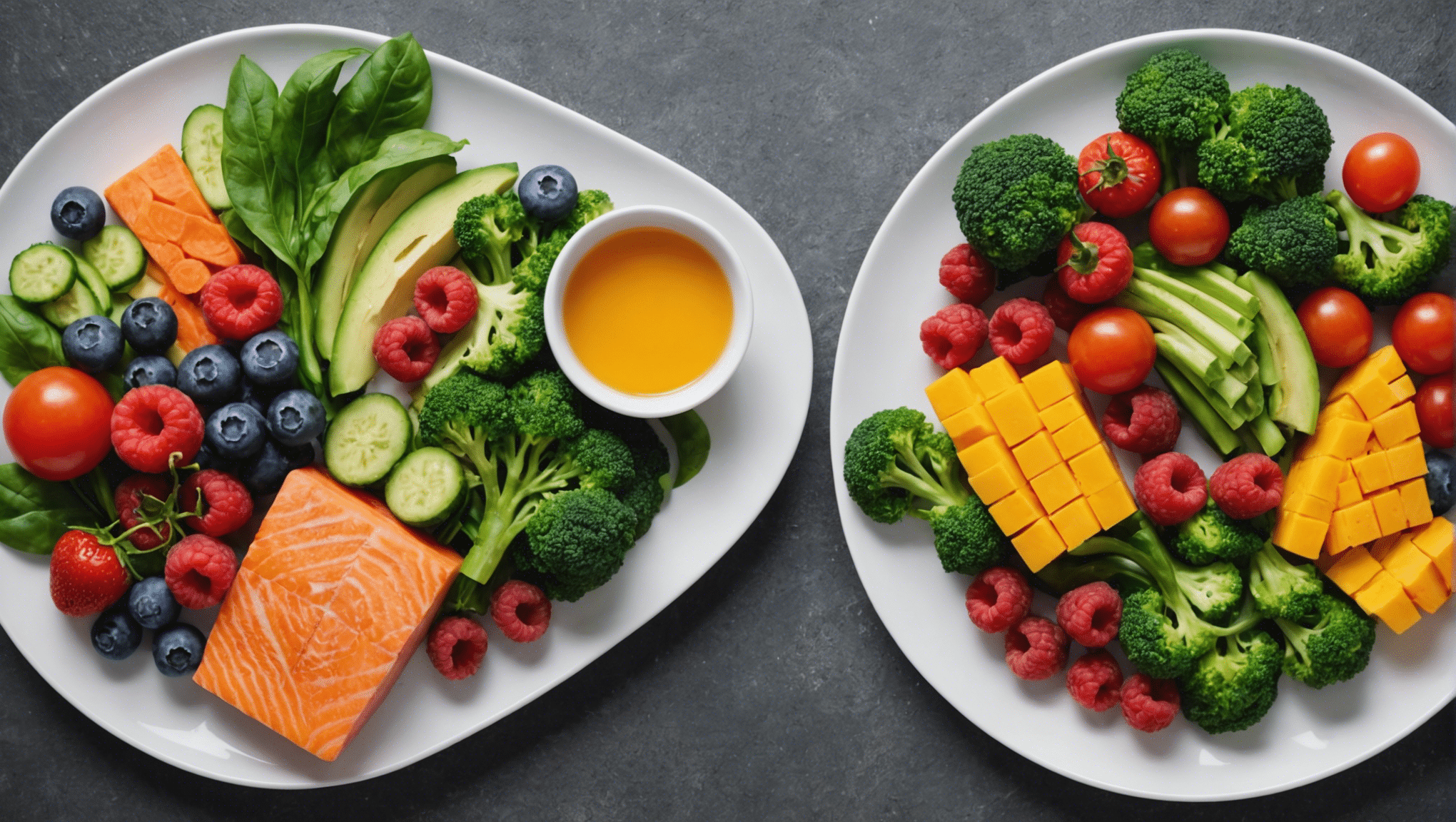
Adopting an anti-inflammatory diet can provide many health benefits, helping to reduce inflammation and prevent various diseases. Here are the foods to include in your daily diet to optimize your well-being.
THE Red fruits like strawberries, blueberries and raspberries are rich in antioxidants, including anthocyanins, which help fight inflammation. These fruits can be eaten fresh, in smoothies or in salads.
THE green leafy vegetables, such as spinach, kale and bok choy, contain polyphenols and vitamins, which are essential for their anti-inflammatory effects. It is recommended to consume these vegetables in the form of salads, stir-fries or green smoothies.
THE nuts and seeds provide a source of healthy fats and fiber, important for reducing inflammation. Almonds, walnuts and chia seeds are particularly beneficial. They can be added to cereals, yogurts or eaten as a snack.
THE oily fish like salmon, mackerel and sardines are rich in omega-3 fatty acids, which have powerful anti-inflammatory properties. Consuming these fish at least twice a week is recommended.
THE spices such as turmeric and ginger have bioactive compounds that help reduce inflammation. They can be added to cooked meals, smoothies or herbal teas for a daily intake.
Finally, the extra virgin olive oil is an excellent source of monounsaturated fats and polyphenols, supporting the fight against inflammation. It can be used for cooking or as a seasoning for salads.
Including these foods in your daily diet helps maintain good health and prevent inflammatory diseases. A balanced and varied approach allows you to maximize the benefits of these foods.
Fruits and vegetables
Adopting an anti-inflammatory diet can go a long way toward better health. Certain foods have natural anti-inflammatory properties, helping to reduce inflammation in the body and prevent various chronic diseases.
Fruits and vegetables play an essential role in an anti-inflammatory diet. Their richness in fiber, vitamins, minerals and antioxidants make them ideal allies for fighting inflammation.
Among the fruits to favor, we find:
- THE berries (strawberries, blueberries, raspberries) thanks to their high antioxidant content.
- THE citrus (oranges, lemons, grapefruit) for their vitamin C and flavonoids.
- THE apples, rich in fiber and quercetin, a natural anti-inflammatory.
The following vegetables are particularly recommended:
- THE green vegetables (spinach, kale, broccoli) for their vitamins K, C and E.
- THE tomatoes, sources of lycopene, a powerful antioxidant.
- THE peppers, which provide vitamins and carotenoids.
By integrating these fruits and vegetables into the daily diet, it becomes possible to benefit from their anti-inflammatory properties and improve your overall health.
Sources of plant proteins
Adapting your diet to reduce inflammation relies on selecting foods rich in nutrients and beneficial for the body. Favor the fresh fruits and vegetables provides essential antioxidants, vitamins and minerals. Berries, citrus fruits, spinach and broccoli are excellent choices.
THE omega-3 fatty acids play a significant role in reducing inflammation. They are found in particular in fatty fish such as salmon, mackerel and sardines, but also in flax seeds, chia seeds and walnuts.
THE Whole grains and legumes provide fiber, protein and complex carbohydrates that stabilize blood sugar and provide lasting energy. Oats, quinoa, lentils and chickpeas are good examples.
Consume spices and herbs anti-inflammatories not only add taste to dishes, but also contribute to health. Turmeric, ginger, garlic and rosemary have recognized anti-inflammatory properties.
THE vegetable proteins are an excellent alternative to animal proteins and help reduce inflammation. Legumes such as lentils, chickpeas and kidney beans provide not only protein, but also fiber, vitamins and minerals.
THE seeds and nuts represent another valuable source of plant protein. Almonds, cashews, sunflower seeds and pumpkin seeds are not only rich in protein, but also healthy fats and antioxidants.
THE soy products like tofu, tempeh and soy milk are also high in protein and can easily be incorporated into various dishes, whether baked, grilled or blended into smoothies.
THE Whole grains such as quinoa, buckwheat and amaranth contain not only protein, but also fiber and essential minerals.
Healthy fats
A anti-inflammatory diet can play a significant role in improving health. Optimizing your food choices helps reduce inflammation and promote overall well-being.
Certain foods are particularly effective at fighting inflammation. They have beneficial properties for the body, contributing to better long-term health.
- Fruits and vegetables : Rich in antioxidants, they help neutralize harmful free radicals. Berries, citrus fruits, green vegetables and tomatoes are particularly recommended.
- Whole grains : Unrefined grains like oats, quinoa and brown rice provide essential fiber and nutrients that reduce inflammation.
- Lean Protein : Opt for fish, especially varieties rich in omega-3 such as salmon and sardines. Chicken and legumes are also great options.
- Nuts and seeds : Rich in vitamins and minerals, nuts and seeds such as almonds, walnuts and chia seeds are real anti-inflammatory benefits.
Fats play a crucial role in managing inflammation. Good fats help reduce inflammatory markers and support various bodily functions.
- Omega 3 : Present in fish, flaxseeds and nuts, omega-3s are essential. They help reduce inflammation and promote heart health.
- Healthy oils : Extra virgin olive oil and avocado oil are excellent choices. Rich in monounsaturated fats, they support the reduction of inflammation.
- Lawyers : A source of healthy fats, avocados help balance cholesterol levels and reduce inflammation.
Foods to limit
For an anti-inflammatory diet, identifying foods to limit is essential.
Refined sugars : Reduce the consumption of added sugars found in pastries, sugary drinks and candies. Alternatives like honey or maple syrup, in moderation, offer better choices.
Processed meats : Deli meats, hot dogs and other processed meats often contain preservatives and additives that increase inflammation. Replacing them with plant-based proteins or lean meats can help.
Trans fats : Present in industrial baked goods, trans fats increase the risk of inflammatory diseases. Opting for healthy fats such as avocados, nuts and olive and flaxseed oils is still preferable.
Alcohol : Excessive alcohol consumption leads to increased inflammation. Limiting alcoholic beverages to one drink per day for women and two for men can have notable benefits.
Dairy products : Some people find that dairy products exacerbate inflammation. Exploring alternatives like almond, soy or oat milk could make a difference.
Putting these dietary adjustments into practice promotes a reduction in inflammation and contributes to optimal health.
Refined sugars
THE refined sugars have a negative impact on health and exacerbate inflammation in the body. Reducing their consumption helps achieve better overall health.
Consuming products high in refined sugars causes blood sugar spikes, which leads to excess insulin production. This can ultimately exhaust the pancreas, promote the development of type 2 diabetes and increase the risk of cardiovascular disease.
Foods to limit include:
- THE soft drinks
- THE candy
- THE energy drinks
- THE industrial pastries
- THE sweet cereals
Different alternatives allow you to satisfy your sweet tooth without increasing inflammation. For example, preferring fresh fruits or some dried fruit not sugar coated.
Making dishes tastier without refined sugars is possible with the use of honeys or date pulp, enriching the diet with beneficial nutritional contributions.
Adopting an anti-inflammatory diet requires vigilance and judicious choices to avoid elements harmful to health. So, reducing refined sugars is an essential step to prevent inflammation and improve quality of life.
Red meats
An anti-inflammatory diet promotes a reduction in chronic inflammation and an overall improvement in health. Various foods can contribute to this goal. However, some should be limited, especially red meats.
Red meats, such as beef, pork and lamb, contain saturated fats which can increase inflammation levels in the body. By limiting the consumption of these meats, it is possible to reduce the risk of inflammatory diseases.
Replacing red meats with plant-based proteins or leaner meats like chicken or fish can be beneficial. Among the plant-based alternatives:
- Legumes, such as lentils, chickpeas and beans
- Nuts and seeds, such as almonds, walnuts and chia seeds
- Soy products, such as tofu and tempeh
In addition to saturated fats, red meats are sometimes associated with high levels of heme iron. Although iron is an important nutrient, too much can cause oxidation, contributing to inflammatory processes in the body.
For optimal health, reducing the consumption of red meats and favoring beneficial protein sources may be an essential strategy. By adopting these practices, overall well-being can significantly improve.
Processed foods
For optimal health, it is essential to identify which foods to avoid. Reducing the consumption of certain products helps limit inflammation and protect the body.
Certain foods are known for their inflammatory potential. Limiting their consumption can have a beneficial impact on health.
THE processed foods are often high in saturated fats, added sugars and chemical additives. They may include:
- Prepared dishes
- Industrial snacks
- Processed meats (sausages, hams, etc.)
- Sweet drinks
- Industrial bakery products
Consuming these foods on a regular basis can lead to an increase in inflammatory markers in the body.
Favoring natural, unprocessed options helps reduce inflammation and improve bodily functions.
Good eating habits
Adopting an anti-inflammatory diet improves health and reduces the risk of many diseases. This dietary approach is based on foods rich in nutrients beneficial to the body.
Fruits and vegetables occupy a special place in this type of diet. The choice is colorful and varied foods. Berries, citrus fruits, leafy green vegetables, tomatoes and peppers are especially recommended. These foods are rich in antioxidants and vitamins essential to the body.
Incorporating healthy fats into daily life is also beneficial. Oily fish like salmon, mackerel and sardines provide omega-3. Avocados, walnuts, flaxseeds and other seeds offer a valuable source of unsaturated fats.
Protein plays an important role in keeping inflammation low. Lean protein sources such as chicken, turkey and legumes are preferred. Eggs and dairy products, when well tolerated, can also contribute to a balanced diet.
Whole grains, such as quinoa, brown rice, barley and oats, provide essential fiber. These fibers help with digestion and maintain the feeling of fullness for longer.
Spices and aromatic herbs should not be forgotten. Turmeric, ginger, rosemary and garlic not only provide rich flavors but also powerful anti-inflammatory properties.
Some practical advice:
- Favor unprocessed foods.
- Limit the consumption of added sugars and saturated fats.
- Drink plenty of water daily.
- Moderate alcohol consumption.
- Practice regular physical activity.
Integrating these eating habits into your daily life promotes optimal health, combining pleasure and well-being.
The importance of hydration
Adopt eating habits healthy foods helps maintain optimal health and prevent chronic inflammation. An anti-inflammatory diet is based on various principles that are easily integrated into daily life.
First of all, favor foods rich in antioxidants such as colorful fruits and vegetables. Berries, spinach, carrots and broccoli, for example, offer a high amount of essential vitamins and minerals to support the immune system.
Then, consume omega-3 fatty acids present in fatty fish such as salmon, mackerel and sardines. These healthy fats help reduce inflammation and improve cardiovascular health.
Introducing spices and herbs with anti-inflammatory properties, such as turmeric, ginger and garlic, not only enriches dishes but also offers many health benefits.
Avoid processed foods high in added sugars and saturated fats. Favor whole grains, legumes and plant-based protein sources such as nuts and seeds.
L’hydration plays a crucial role in an anti-inflammatory diet. Drinking enough water will help the body eliminate toxins and maintain good blood circulation. Adequate hydration also supports metabolic and cellular functions.
Various drinks contribute to good hydration and offer additional benefits, such as herbal teas (chamomile, mint) and green tea, known for their anti-inflammatory properties. Furthermore, consuming these drinks without adding refined sugars will help avoid insulin peaks and associated inflammation.
Moderation and diversity
Adopt a anti-inflammatory diet helps reduce chronic inflammation and improve quality of life. You should favor foods rich in antioxidants, fiber and omega-3 fatty acids to benefit from all their health benefits.
Fruits and vegetables, especially berries, citrus fruits, spinach and broccoli, are exceptional sources of antioxidants. They help neutralize free radicals responsible for inflammation. Omega-3 fatty acids found in oily fish like salmon and sardines, as well as flaxseeds and walnuts, also play a vital role in reducing inflammation.
It is recommended to favor whole foods and avoid processed products high in added sugars and saturated fats. Whole grains like quinoa, oats and brown rice, as well as legumes, provide essential fiber for healthy digestion and regulation of inflammation.
THE spices and herbs are also valuable allies. Turmeric, rich in curcumin, ginger, and garlic have recognized anti-inflammatory properties. Using these condiments in daily meals helps reinforce the anti-inflammatory effect of the diet.
Diversity is also crucial to benefit from all the necessary nutrients. Varying protein sources, including legumes, lean meats, fish and fermented dairy products, ensures a balanced intake of nutrients. A diversified diet is the guarantee of complete nutrition and avoids deficiencies.
Moderation remains key. Excessive eating, even of healthy foods, can cause imbalances. It is important to eat portions adapted to your energy needs and to listen to your satiety signals.
By integrating good eating habits based on moderation and diversity, while choosing foods rich in antioxidants and omega-3, it is possible to strengthen the body’s natural defenses and reduce inflammation. Adjusting your diet allows you to move towards a optimal health while having fun.
Balanced meals
Adopt a anti-inflammatory diet helps improve well-being and prevent various health problems. This type of diet relies on food choices that reduce inflammation in the body.
To benefit from the benefits of an anti-inflammatory diet, it is essential to integrate certain habits into your daily routine.
Here are a few tips :
- Consume fresh fruits and vegetables, rich in antioxidants
- Opt for whole grains rather than refined products
- Include sources of lean protein like fish, chicken and legumes
- Add oilseed and seeds to your meals for their nutritional benefits
- Favor the healthy oils such as extra virgin olive oil
A balanced meal helps maintain optimal inflammation in the body. Here is a recommended distribution:
- 50% of the base composed of fruits and vegetables
- 25% made up of lean protein
- 25% of whole grains or legumes
Drink enoughwater and limit the consumption of added sugars and processed foods also help to maintain a good nutritional balance.
These tips offer a solid basis for adopting an anti-inflammatory diet and thus improving your health in a lasting way.
Stress and sleep management
Chronic inflammation can affect health in many ways. It is important to adopt habits that promote a reduction in this inflammation.
The management of stress plays an essential role. Stress releases hormones that can increase inflammation in the body. Techniques like sophrology, meditation or relaxation activities are recommended to reduce daily stress.
THE sleep quality is just as crucial. Restful sleep helps the body regenerate and fight inflammation. To optimize your sleep, it is recommended to:
- Maintain a regular sleep routine.
- Create a conducive sleep environment: quiet and dark.
- Avoid screens before bed.
- Practice relaxing activities before sleeping.
Proper nutrition complements these efforts. Anti-inflammatory foods like green vegetables, berries, nuts and seeds can provide many benefits. Favoring omega-3s present in fatty fish and flaxseed oils is also recommended.
Adopt a balanced lifestyle combining food Adequate sleep, good stress management, and quality sleep can help reduce inflammation and improve overall health.
The impact of stress on inflammation
THE stress plays a major role in increasing the body’s inflammatory reactions. When it becomes chronic, it leads to the release of cortisol and other hormones that can make inflammation worse. Effective management helps reduce these hormonal levels and improve health.
Stress management often involves relaxation techniques and regular physical activities, such as relaxation through sophrology or the dance practice. These methods help reduce the production of hormones responsible for stress and promote a reduction in inflammation.
The impact of sleep on inflammation should not be underestimated. Quality sleep is essential for cellular regeneration and the reduction of inflammatory markers. Regular bedtime routines, a suitable sleep environment and avoiding screens before bed facilitate this regeneration.
Here are some tips to improve stress and sleep management:
- Meditation or deep breathing exercises.
- Moderate and regular physical activities.
- Avoid stimulants like caffeine at the end of the day.
- Favor herbal teas and infusions with soothing properties.
- Create a quiet and comfortable sleeping space.
By integrating these habits and taking care of your emotional well-being, it becomes possible to limit the harmful effects of stress on inflammation and improve overall health.
Relaxation techniques
A anti-inflammatory diet plays a crucial role in maintaining optimal health. This nutritional approach targets the reduction of chronic inflammation in the body by favoring certain foods and avoiding others. Specific food choices help prevent disease and promote a better quality of life.
Foods rich in antioxidants like berries, green leafy vegetables and nuts are essential. They fight free radicals and reduce inflammation. It is advisable to consume fatty fish such as salmon and mackerel, which are rich in Omega 3, for their anti-inflammatory effects.
Avoiding processed foods, added sugars and saturated fats reduces inflammation. Vegetable oils such as olive oil and fermented foods such as yogurt and sauerkraut also play a beneficial role in improving intestinal flora.
Stress and lack of sleep increase levels of inflammation in the body. Good stress management and healthy sleep habits are therefore essential for an effective anti-inflammatory approach.
Practicing relaxation techniques improves quality of life and reduces stress, thus positively impacting inflammation.
Among the relaxation techniques, meditation and the deep breathing are very effective. They can be easily integrated into the daily routine. It is also beneficial to engage in moderate physical activities like yoga or walking.
To improve sleep, certain habits are recommended:
- Maintain regular bedtimes and wake-up times.
- Create an environment conducive to sleep (dark and quiet bedroom).
- Limit screen use before bed.
Reducing inflammation requires making wise food choices and effective stress and sleep management. These elements constitute the foundations of a healthy and balanced life.
The crucial role of sleep
An anti-inflammatory diet contributes significantly to optimal health. By reducing chronic inflammation, we not only improve the quality of life, but also the prevention of many diseases. This type of diet favors foods rich in antioxidants, fiber and omega-3 fatty acids, while limiting processed and sugary foods.
The management of stress and sleep plays an equally important role in reducing inflammation. Chronic stress negatively impacts the immune system and increases inflammation. Adopting stress management techniques, such as meditation, sophrology or even regular dance sessions, can have beneficial effects on overall health.
THE sleep quality is essential for a healthy life. Good sleep allows the body to recover, repair damaged tissues and regulate levels of the stress hormone cortisol. Lack of sleep, on the contrary, increases inflammation levels in the body.
To improve sleep quality:
- Maintain a regular sleep routine by going to bed and getting up at the same time.
- Create an environment conducive to sleep: a dark, quiet and cool bedroom.
- Avoid screens and blue lights at least an hour before bed.
- Favor relaxing activities such as reading or meditation before bed.
By combining an anti-inflammatory diet with better stress management and sleep optimization, we create an environment conducive to better overall health.
