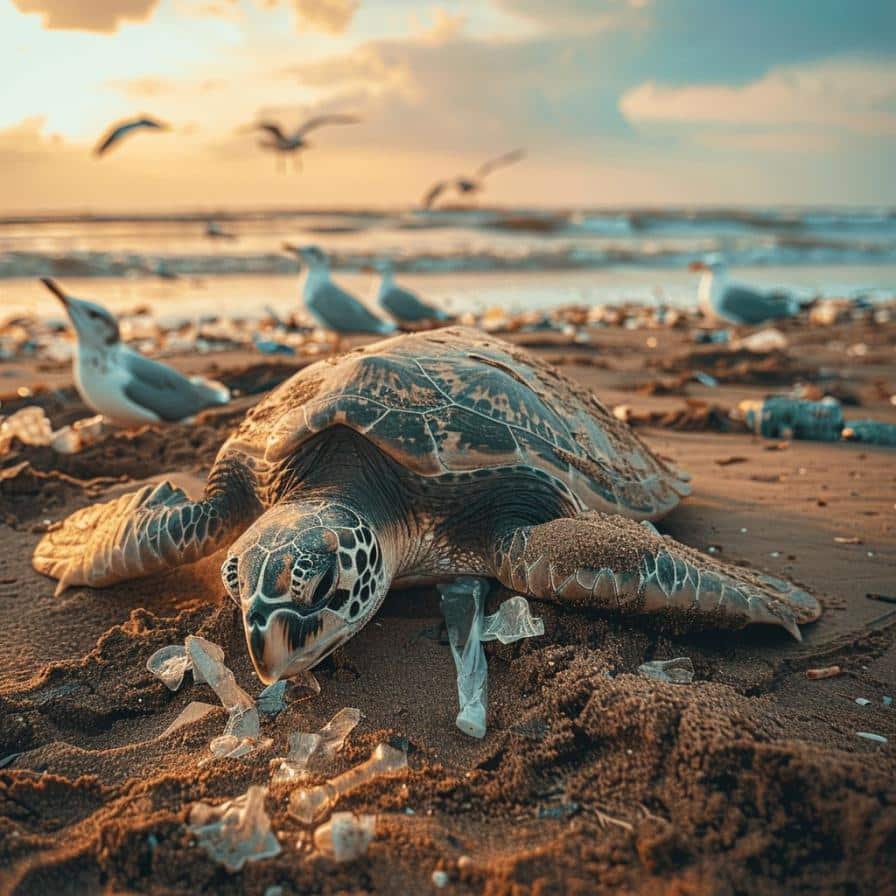
Amazing ! Why could this dead turtle save lives?
|
IN SHORT
|
| Appearance | Involvement |
| Origin of the study | Dead turtle discovered on a beach |
| Medicinal solution | Analysis of tissues to identify beneficial compounds |
| Impact on medicine | Potential to develop new treatments |
| Species conservation | Raise awareness about the protection of turtles |
| Scientific collaboration | Catalyst for interdisciplinary research |
- Biomedical: Tissue studies to develop innovative treatments.
- Ecology: Analysis of environmental impacts for species conservation.
- Education : Raising awareness among young people about the protection of biodiversity.
- Research : Discovery of new strains of antibiotics from marine organisms.
- Inspiration : The exemplary nature of the species encourages better management of natural resources.
- Pharmacology: Potential for new drugs based on the unique properties of certain species.
Understanding the role of turtles in the ecosystem
Nature conceals sometimes unexpected secrets. A dead turtle, for example, may seem like a natural tragedy, but think again! His existence and death play crucial roles in themarine ecosystem.
THE sea turtles actively participate in the well-being of coral reefs. They feed on sponges, which allows corals to thrive by reducing competition for space. By regulating the population of certain marine species, they help to maintain balance of the food chain.
A dead turtle also provides valuable nutrients to scavengers sailors. Fish, crabs and other decomposers benefit from this food source, thus contributing to the life cycle of the ecosystem. It’s a real feast for these species and a way for them to survive.
THE sedimentary organisms also benefit from the bodies of dead turtles. Their decomposition enriches the seafloor with nutrients, which promotes the growth of aquatic vegetation. This process is essential to maintain the ecosystem productivity coastal.
Here is why each turtle, living or dead, is of capital importance:
- Regulation of the population of marine species.
- Balance of the food chain.
- Support for marine scavengers.
- Enrichment of the seabed.
It is therefore crucial to protect these majestic creatures and understand their fundamental role in our environment.
The importance of turtles for biodiversity
THE sea turtles play a crucial role in marine ecosystems. They participate in the regulation of populations of jellyfish and help maintain the balance of coastal ecosystems. By consuming jellyfish, they help control their proliferation, which could otherwise harm other marine species.
In addition to their regulatory function, sea turtles are also agents nutrient transport. By moving between oceans and beaches, they promote the transfer of essential nutrients from marine environments to land. These nutrients nourish coastal ecosystems and contribute to the growth of coastal plants, vital for stabilizing beaches.
Sea turtles also contribute to the biodiversity serving as a mobile habitat for many species of small sea creatures. Their shell is home to algae, invertebrates and other marine organisms that find shelter and food on these majestic animals.
Unfortunately, many factors threaten the survival of sea turtles. Climate change, pollution, unsustainable fishing and the destruction of natural habitats are all dangers facing these fascinating creatures.
Faced with these challenges, it is essential to put in place conservation measures robust to protect sea turtles and, therefore, the ecosystems of which they are an integral part. This includes strictly regulating fishing grounds, protecting nesting sites and reducing plastic waste in the oceans.
Impact of the disappearance of turtles on other species
The discovery of a dead turtle may seem tragic, but it plays a crucial role in understanding the marine ecosystems. Sea turtles, although often judged by their peaceful appearance and slowness, are essential elements for the proper functioning of their natural environment.
First of all, sea turtles contribute to the health of Coral reefs. By feeding on sponges, they allow corals to grow without competition, thus ensuring the preservation of magnificent reefs. These reefs, in turn, provide habitat for a wide variety of marine species.
Turtles also play a role in maintaining the quality of beaches. They lay eggs which, although often destroyed by predators, enrich the soil with essential nutrients, thus promoting the growth of coastal plants. These plants stabilize dunes and protect coastlines against erosion.
The disappearance of turtles has a strong impact on populations of jellyfish. By regulating their numbers as natural predators, turtles limit harmful jellyfish blooms, which can otherwise affect human activities and marine life.
The loss of turtles can cause significant imbalance in ecosystems. For example, with fewer turtles to consume seagrass, they can overgrow, disrupting the habitats and food resources of other species.
For these reasons, studying even a dead turtle allows scientists to collect essential data for conservation and protection of the marine environment. Post-mortem analyzes provide information on causes of death, levels of chemical contamination and the impacts of climate change.
Ultimately, each turtle, even after death, contributes to a complex network crucial to the survival of countless marine life as well as the overall health of our planet.
Frequently Asked Questions
A: This dead turtle provided crucial information about diseases affecting marine species, which could help develop treatments.
A: Researchers can analyze its body to understand the effects of pollution and disease, which can influence future conservation policies.
A: Diseases such as bacterial infections or pollution-related disorders can be studied, providing avenues for the protection of living turtles.
A: Yes, some marine diseases can have implications for human health, potentially influenced by the marine environment.
A: Research teams have mobilized to conduct analyzes and share their findings to educate the public about the conservation of marine species.
