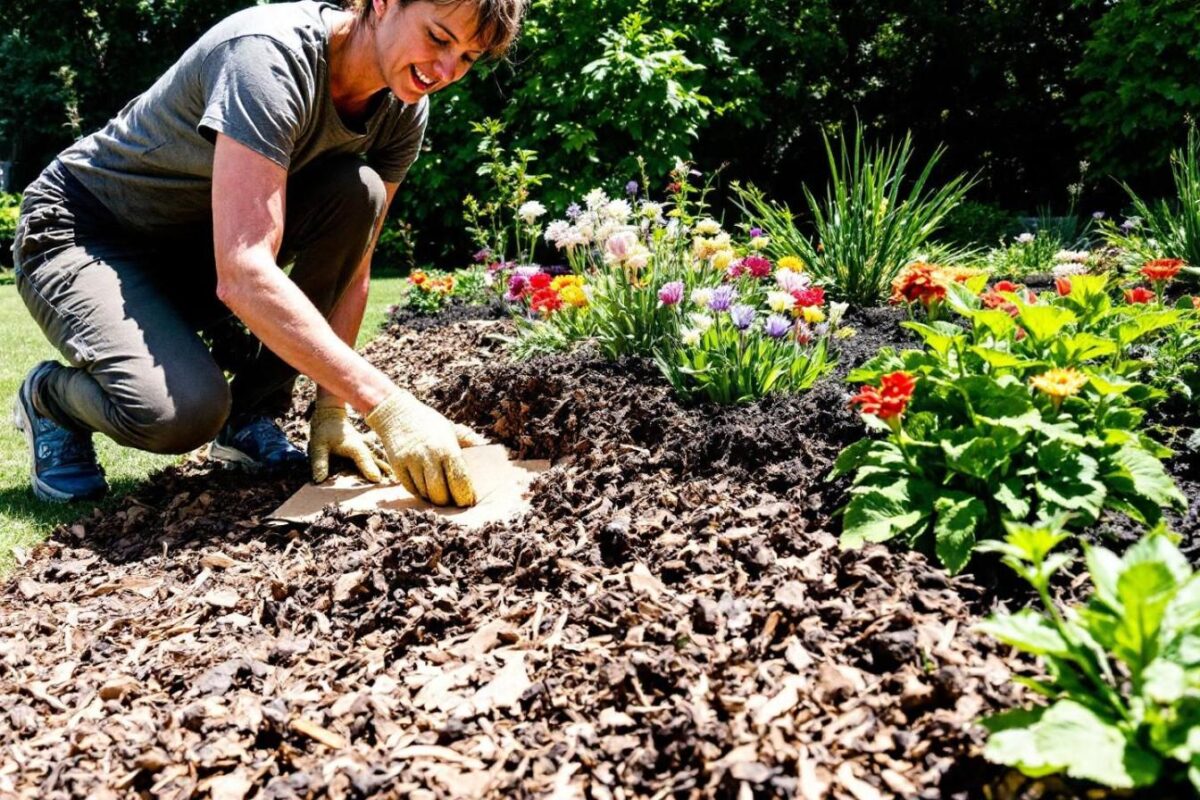
The secret gardener of my great-grandfather: preparing the spring vegetable garden with cardboard
On
March 17, 2025
, updated on March 17, 2025
-
5 minutes to read
Home › Garden › The secret gardener of my great-grandfather: preparing the spring vegetable garden with cardboard
Immerse yourself in the heritage of wise gardening codes, where every gesture reveals a precious alchemy. A simple piece of cardboard, seemingly mundane, hides an unsuspected potential to transform your soil. This ancestral method, passed down through generations, relies on a simple and natural approach, preserving fertility without artifices.
Using cardboard for your spring garden stimulates soil life, promotes growth, and fights against weeds. This secret, borrowed from my great-grandfather, demonstrates that the wisdom of the ancients can still enrich our contemporary practices. Draw inspiration from his know-how and transform your garden into a sanctuary of life.
Important Information
Garden Preparation: Use cardboard as a natural method to enrich the soil.
Effective Technique: Place a layer of raw cardboard on the soil and let it act.
Ecological Benefits: Avoid the use of chemical herbicides and promote biodiversity.
Spring Action: Start this preparation a few weeks before planting for better results.
Moisture and Heat: Cardboard helps retain moisture and create a favorable environment for micro-organisms.
Biomass: Once decomposed, cardboard becomes an enriching organic amendment for the soil.
Timeline: A minimum of one month of decomposition is recommended before planting.
Observation: Monitor the decomposition of cardboard to adjust the input of organic matter.
Preparing the Soil with Cardboard
Before embarking on the creation of a garden, soil preparation is a crucial step. An old gardener’s secret, passed down from generation to generation, reveals that cardboard can transform a patch of earth into a haven of fertility. When a layer of raw cardboard is placed on the soil, it initiates a natural decomposition process. This simple technique offers a multitude of benefits.
The Benefits of Cardboard
Cardboard has many advantages. In addition to serving as a barrier against weeds, it maintains soil moisture. This biodegradable material also provides nutrients during its decomposition. Its use reduces the need for chemical fertilizers, thereby preserving the ecosystem and biodiversity of the soil. In short, cardboard proves to be a valuable ally in natural gardening.
The Laying Method
To get the most out of this technique, the way you lay down the cardboard is crucial. Start by gathering several sheets of cardboard, without plastic elements. Slightly moisten the cardboard before placing it on the ground to facilitate decomposition. Be sure to overlap the pieces to create a uniform cover. This method ensures optimal protection against weeds while promoting microbial life in the soil.
Maintaining the Garden
After preparing the soil, regular monitoring is necessary. It is recommended to add a thin layer of compost or organic mulch on top of the cardboard. This enriches the soil and promotes the growth of crops. Also, monitor moisture, as it plays a fundamental role in the development of young plants. Ensure that water penetrates the cardboard properly to nourish the roots without creating stagnation.
Suitable Vegetable Varieties
Many varieties lend themselves to this gardening approach. Tomatoes, zucchinis, and beans thrive in soil prepared with cardboard. The technique deployed results in healthy, flavorful vegetables free from chemicals. Each variety enhances the soil, also contributing to a nutritional balance in the diet.
The Ecological Summary
Using cardboard to prepare a garden reflects an environmentally friendly approach. This method, a true gardener’s legacy, contributes to preserving the ecosystem. Reducing waste by using used cardboard while providing a habitat for earthworms and other living organisms creates a virtuous circle to be encouraged. Cultivating the land thus becomes an experience, blending respect and efficiency.
Frequently Asked Questions about My Great-Grandfather’s Gardening Secret: Preparing the Spring Garden with Cardboard
What is my great-grandfather’s gardening secret? It is a gardening method involving the use of cardboard to prepare the soil of your garden in spring, allowing for better vegetable growth and fertile soil.
How do I use cardboard to prepare my garden? Simply distribute a good layer of raw cardboard over the desired cultivation area. This helps smother weeds and nourish the soil during decomposition.
What are the advantages of using cardboard in my garden? Cardboard is an excellent way to improve your soil by adding organic matter, preventing weeds, and maintaining soil moisture.
Do I need to remove adhesive and printing from the cardboard? No, generally you do not need to remove adhesive and prints, as they will also decompose in the soil. But it is best to avoid very plasticized cardboard.
When should I put cardboard in my garden? It is advisable to prepare your garden with cardboard a few weeks before the first spring sowing, usually at the end of winter or early spring.
Does cardboard attract pests? Generally, cardboard should not attract more pests. On the contrary, a layer of cardboard can even deter some of them by making the environment less favorable.
Can I use other materials in addition to cardboard? Yes, it is possible to combine fallen leaves, straw, or compost with cardboard to further enrich the soil and improve its fertility.
Is cardboard sufficient for a low-maintenance garden? Cardboard is an excellent method for preparing the soil, but some regular maintenance, such as watering and monitoring crops, remains necessary to ensure a bountiful harvest.