The methods to detect a water vein in your soil before digging a well
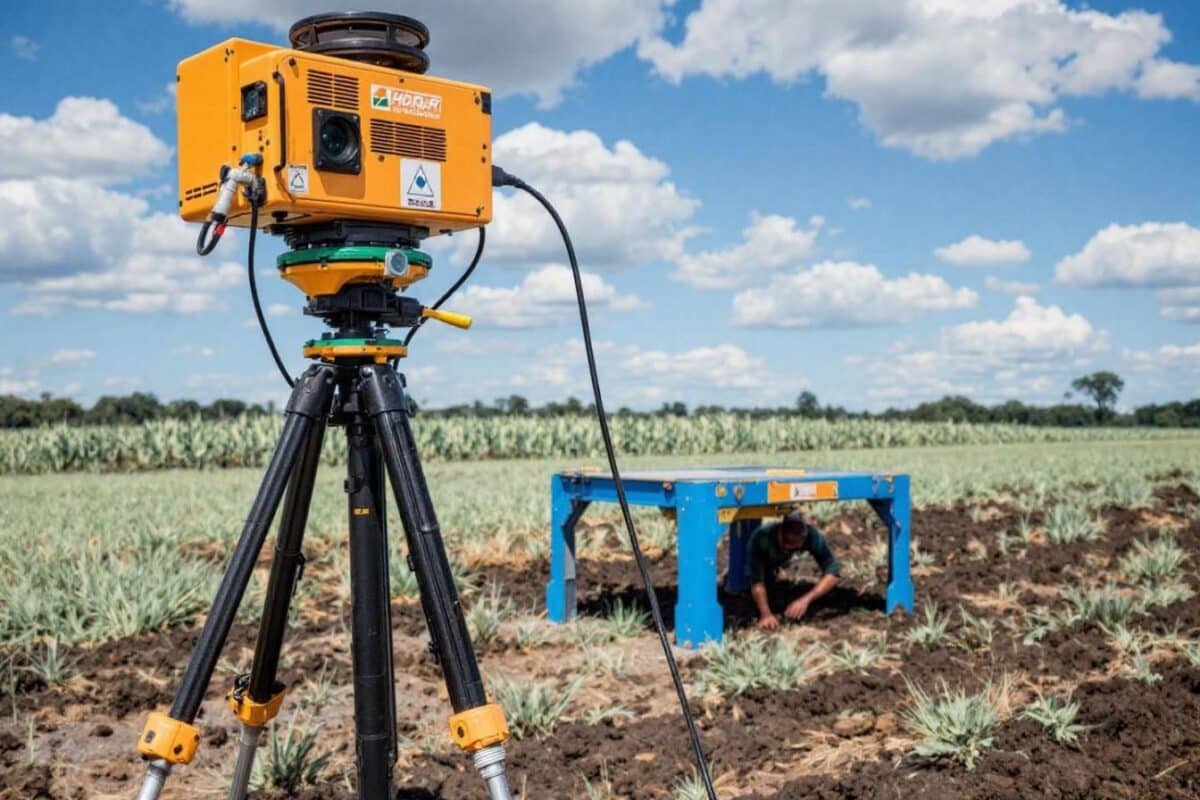
The crackling electricity of the unknown surrounds the quest for a water vein in your soil. Before digging a well, determining the presence of groundwater proves to be a major issue. Each detection method has its own arsenal of secrets and {{techniques}}.
A quick glance at your environment allows you to grasp valuable clues. Lusher vegetation and wet areas persist after rain, clear signs of an accessible aquifer. The use of modern technologies, such as electromagnetic detectors, enriches this ancestral search with rational elements. Combining intuition and expertise becomes a wise approach, as folk wisdom and science meet. Preparing before this vital investment is your best ally.
| Summary |
|---|
| Geological study: Start with a soil analysis using geological maps. |
| Natural observation: Look for areas of dense vegetation or persistent moisture. |
| Electromagnetic detectors: Use devices to measure the soil’s electrical conductivity. |
| Trench testing: Dig at shallow depths to test soil moisture. |
| Radiesthesia: Consult a dowser for traditional water detection methods. |
| Hydrogeologist: Hire an expert for a precise analysis of groundwater resources. |
| Local consultation: Talk with farmers or neighbors for information about the area. |
Geological Analysis of the Terrain
Before digging a well, examining the soil is essential. The geological characterization allows for assessing the composition, structure, and hydrogeological characteristics of your terrain. Resources such as BRGM (Bureau de Recherches Géologiques et Minières) provide incentive maps and essential databases. With these tools, determine the depth of aquifers and identify potentially water-rich areas.
Observation of Natural Indicators
Nature offers valuable clues about the presence of groundwater. Lush, particularly dense vegetation may signal underlying wet areas. Brighter grasses and certain types of plants, such as reeds, often indicate a water supply. An old well or a visible spring adds an extra conviction to your approach.
Modern Technologies for Detection
Electromagnetic detectors prove to be remarkable allies in identifying variations in soil conductivity. These sophisticated instruments measure the water potential based on the soil’s ability to conduct electricity. Although these devices do not indicate precise extraction locations, they facilitate the orientation of searches. Trench testing also constitutes an effective approach to assess moisture at shallow depths.
Radiesthesia: A Controversial Approach
Radiesthesia, an unconventional method, evokes both skepticism and curiosity. This practice involves using Y-shaped rods or pendulums to locate water veins. Many practitioners claim to have experienced notable successes in this quest. Modern science remains doubtful, but there is abundant testimony about findings accomplished through these techniques. Some municipalities even seek the help of dowsers for their projects.
Gathering Local Testimonies
Interviewing local residents can enrich your search. Testimonies from farmers or neighbors often provide valuable information about local hydrogeology. This knowledge can prove more beneficial than sophisticated tools. Engaging in discussions with trusted sources can guide your project and avoid unjustified investments.
Frequently Asked Questions
What are the most common methods for detecting water in the soil?
Common methods include geological analysis, the use of electromagnetic detectors, observation of vegetation, and trench tests. Each of these approaches can provide clues about the presence of a water vein.
How can a geological study help in finding water?
A geological study provides information about the nature of the soil, the depth of aquifers, and areas conducive to water, using maps and databases provided by specialized organizations.
What is an electromagnetic detector and how does it work?
It is a device that measures the electrical conductivity of the soil. Since water has a higher conductivity than dry soil, these variations help identify potentially humid areas.
Can I use vegetation observation to detect groundwater?
Yes, areas of denser vegetation or greener grasses can indicate the proximity of an aquifer, as the plant roots access groundwater.
What is a trench test and how do you perform one?
A trench test involves digging at shallow depths to check soil moisture. It is important to inquire about underground piping to avoid accidents.
What is a dowser and how effective are they?
A dowser uses rods to locate groundwater. Although its effectiveness is disputed, many people claim to have found water thanks to them.
When should I consult a hydrogeologist?
A hydrogeologist is recommended when you want a thorough analysis of the subsurface structure and precise advice. While this involves a cost, it can prevent costly false drilling.
What are the risks of digging without prior study?
Digging without study can lead to unnecessary expenses, such as hitting dry rocks or encountering pipes. It is essential to obtain reliable information before proceeding.
Can we trust intuition to detect water in the soil?
While intuition may play a role, it is better to combine several methods, including scientific approaches, to obtain reliable results.
How can I know if an old well or a spring can be a reliable indicator?
Old wells or springs may indicate the presence of an aquifer. Seeking information from neighbors and local archives can be very helpful.
